

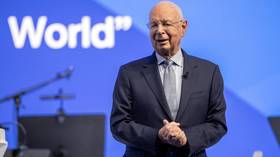
Klaus Schwab, the founder of the World Economic Forum, had become a symbol of globalization
Klaus Schwab has stepped down as chairman of the World Economic Forum (WEF), ending more than five decades at the helm of the organization he founded in 1971.
Known for its annual gathering of business and political leaders in the Swiss mountain resort of Davos, the WEF and its former leader became symbols of globalization.
The decision by Schwab, who turned 87 this year, to resign was announced by the WEF on Monday following an extraordinary board meeting a day earlier.
“Following my recent announcement, and as I enter my 88th year, I have decided to step down from the position of Chair and as a member of the Board of Trustees, with immediate effect,” Schwab told the board, according to a WEF news release.
A German-born engineer and economist, Schwab is said to have created the WEF to promote public-private cooperation and global collaboration. Throughout his tenure, Schwab became widely known as a staunch advocate of interconnectedness and interdependence. He argued that international cooperation was essential to solving complex challenges such as climate change, inequality, and technological disruption.
Over the years, he transformed the annual meeting in Davos into one of the world’s most high-profile platforms. The Swiss village gradually became a fixture on the international calendar in January when political leaders, CEOs and celebrities got together to discuss the agenda for the coming year.
Under Schwab’s leadership, the WEF grew in influence but also faced criticism. The organization has been accused of elitism and of being out of touch with broader public concerns.
Schwab foresaw a backlash against globalization well before Donald Trump’s 2016 election win and the UK’s vote to leave the EU that same year. Both events are widely seen as signs of growing discontent with the global economic system.
In a 1996 opinion piece he co-authored for the International Herald Tribune, Schwab warned, “A mounting backlash against (globalization’s) effects, especially in the industrial democracies, is threatening a very disruptive impact on economic activity and social stability in many countries.”
“The mood in these democracies is one of helplessness and anxiety, which helps explain the rise of a new brand of populist politicians,” he added.
Peter Brabeck-Letmathe, former Nestle CEO and current WEF vice chairman, has been appointed interim chair while a search committee begins the process of selecting a permanent successor, the organization announced.
For more stories on economy & finance visit RT’s business section
You can share this story on social media:

